
Darker window tint does not automatically provide better heat rejection than a lighter film. Darkness describes visible light transmission. To compare solar heat performance, check total solar energy rejection (TSER), the exact film and shade, and the conditions used for the manufacturer’s test. Choose an appropriate level of visibility as well as the performance you want.
For El Cajon drivers choosing between standard and ceramic tint, the useful question is: which available product meets my budget, visibility needs, and heat-performance priorities? A dark-looking photograph or a single infrared percentage cannot answer that on its own.
What do VLT, TSER, IRR, and IRER mean?
| Specification | What to understand |
|---|---|
| VLT | Visible light transmitted through the stated sample; a lower number means less visible light gets through. |
| TSER | Total solar energy rejection; a measure of solar energy rejected by the tested filmed-glass system. |
| IRR | Infrared rejection over a specified wavelength range; check the range and whether film or filmed glass was tested. |
| IRER | A broader infrared energy-rejection measure; definitions and test conditions must be checked before comparing products. |
For example, 3M distinguishes IRR measured over 900–1,000 nm from IRER over 780–2,500 nm. Its tables also identify the glass used for testing. An infrared claim is not interchangeable with TSER or a guaranteed reduction in cabin temperature. See 3M’s automotive window film definitions and test notes.
Why tint darkness is only part of the decision
Two films can look similar and have different solar specifications. A lighter product may offer a different balance of visibility and heat rejection than a darker product from another line. Compare the exact shades being quoted rather than using the words “ceramic” or “premium” as a complete specification.
Use the same measure on both product sheets. Ask whether the data describes film alone or film applied to a particular glass sample. Your vehicle’s existing glass matters, so reference test figures should not be presented as a custom measurement of your car.
A practical comparison checklist
First, choose the windows. List the front doors, rear doors, rear glass, and any additional glass you are considering. Do not assume factory-dark rear glass identifies the same product or performance as aftermarket film.
Next, discuss visibility. Consider how you use the vehicle, including night driving. Have the shop explain applicable California requirements for each proposed window and film combination.
Then compare products. Request the exact manufacturer, film line, shade, TSER, and warranty. Compare two quotes at equivalent coverage and ask what additional cost buys you.
Finally, set realistic expectations. Window film is one part of managing solar heat. Parking conditions, glass area, time in the sun, and air conditioning also affect comfort. Do not expect a universal number of degrees of cooling from an advertised percentage.
What about ceramic tint in El Cajon?
If heat performance is a priority, compare the available ceramic options with the standard film quoted for your vehicle. Cali offers House Brand starting packages, with Geo Shield and 3M available at additional cost. Confirm the exact line on the quote; not every product within a brand has the same specifications.
Explore our ceramic and 3M window tint service and current tint package prices.
Common questions about heat rejection
Does 95% infrared rejection mean 95% less heat inside my car? No. It describes a particular infrared measurement, not all incoming solar energy or a direct cabin-temperature result.
Does 5% VLT mean 95% heat rejection? No. VLT refers to visible light passing through the stated sample. It does not state TSER.
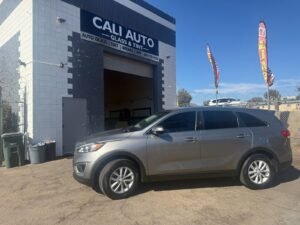
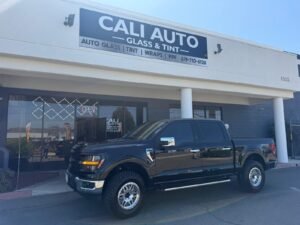
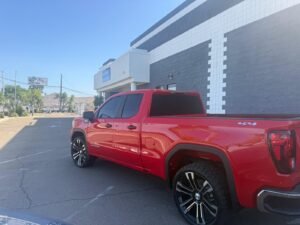
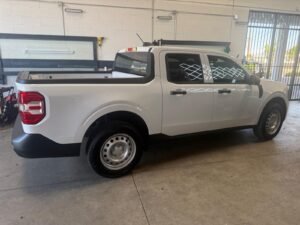
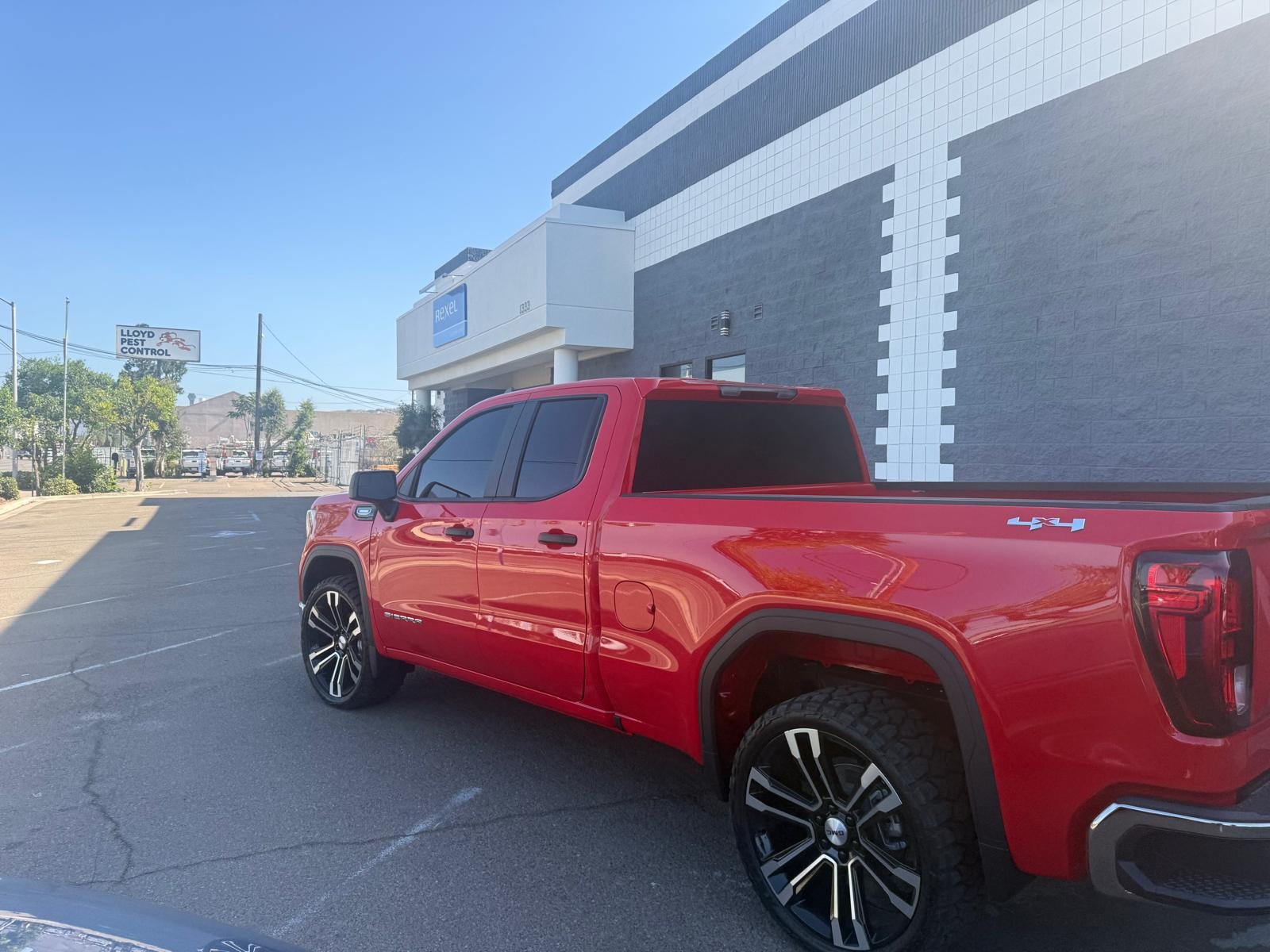
Can I choose a film from these vehicle photos? Use photos to discuss appearance, then confirm specifications with the shop. Exposure and reflections change how tint looks on screen.
Compare film options for your vehicle
Tell us your vehicle, coverage, budget, and whether appearance or solar performance is your main priority. We can discuss the available options and provide a quote.
For a quote, call (619) 710-6128 or send your vehicle details through our contact form. Visit Cali Auto Glass & Tint at 1325 Magnolia Ave, El Cajon, CA 92020.