
Window tint plays an important role in keeping your vehicle comfortable, protected, and visually appealing. Over time, however, even professionally installed window tint can begin to break down. Many drivers continue driving with failing tint without realizing it can affect visibility, comfort, and even compliance with California regulations.
Knowing when to replace or remove old window tint can help you avoid safety issues, legal trouble, and unnecessary damage to your vehicle’s glass. For drivers in El Cajon and surrounding areas, where sun exposure is constant, window tint degradation can happen faster than expected.
Below, we’ll walk through the most common signs your window tint may no longer be doing its job—and why addressing it sooner rather than later matters.
Why Window Tint Doesn’t Last Forever
Window tint is exposed daily to heat, UV rays, moisture, and temperature changes. Over time, these elements break down the adhesive and film layers, especially in Southern California’s intense sun. Even high-quality tint will eventually show signs of aging.
Older window tint technology, in particular, was more prone to discoloration and adhesive failure. If your tint was installed several years ago, there’s a strong chance it may not be providing the same protection or clarity it once did.
Bubbling or Peeling Film
One of the most obvious signs that window tint needs attention is bubbling. Bubbles form when the adhesive begins to fail, allowing air pockets to develop between the film and the glass. Peeling edges are another clear indicator that the tint is no longer securely bonded.
Once bubbling or peeling begins, it typically worsens over time. Aside from looking unprofessional, this can distort visibility and reduce the effectiveness of the tint. In many cases, the best solution is professional window tint removal followed by replacement.
Purple or Discolored Tint
If your window tint has turned purple, brown, or uneven in color, it’s a sign the film has degraded. This discoloration usually happens when UV protection within the film breaks down, especially with older or lower-quality tint.
Discolored tint not only looks outdated but also indicates reduced UV and heat protection. At this stage, replacing the tint can significantly improve both appearance and performance.
Reduced Visibility, Especially at Night
Old or damaged window tint can cause haziness or distortion that becomes more noticeable at night or during low-light conditions. This can make it harder to see other vehicles, pedestrians, or road hazards.
Clear visibility is essential for safe driving. If your tint is interfering with your ability to see clearly, removal or replacement should be prioritized to avoid safety risks.
Excessive Heat Inside the Vehicle
One of the main reasons drivers choose window tint is to reduce heat buildup inside the car. If your vehicle feels significantly hotter than it used to, even with tinted windows, the film may no longer be effective.
Over time, degraded tint loses its ability to block heat and UV rays. Replacing old tint can restore interior comfort and help protect your seats, dashboard, and electronics from sun damage.
Cracking or Dry Film Texture
In some cases, old window tint may begin to crack or feel brittle to the touch. This often happens when the film dries out due to prolonged sun exposure. Cracked tint is not only unattractive but can also be difficult to remove without professional tools.
Attempting to peel brittle tint on your own can leave behind adhesive residue or damage defroster lines, especially on rear windows. Professional removal ensures the glass remains intact.
Non-Compliance with California Tint Laws
California window tint laws can change, and older tint installations may no longer meet legal standards. Tint that is too dark or improperly installed can result in citations or failed inspections.
If you’re unsure whether your current tint complies with California regulations, a professional tint shop can evaluate your windows and recommend removal or replacement if needed.
Why Professional Window Tint Removal Matters
Removing old window tint is not as simple as peeling it off. Improper removal can scratch glass, damage defrosters, or leave behind stubborn adhesive residue. Professional window tint removal uses controlled heat and specialized techniques to safely restore your windows to a clean, clear condition.
At Cali Auto Glass & Tint, we help El Cajon drivers remove outdated or damaged window tint and replace it with modern, high-quality film designed for durability and performance.
When Replacement Is the Better Option
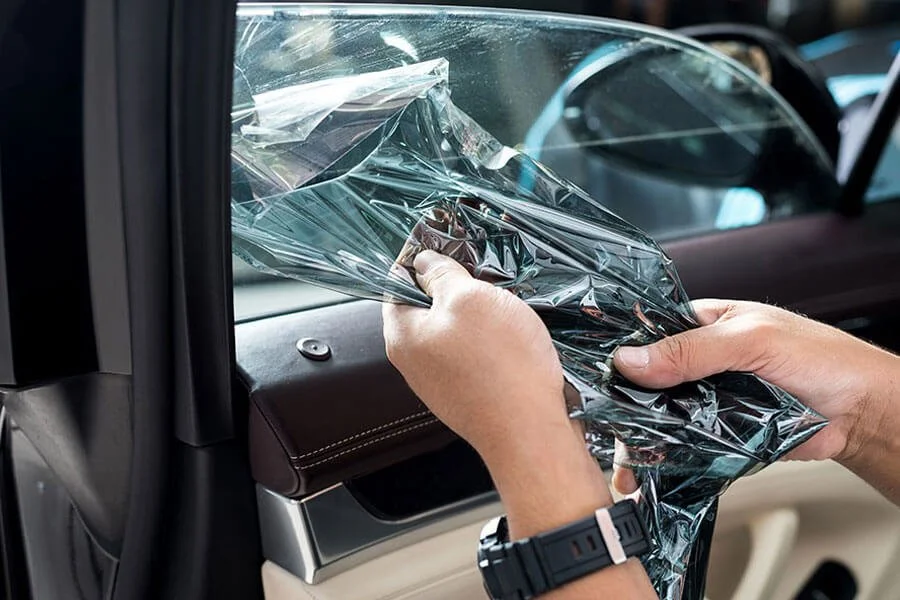
If your tint shows multiple signs of failure, replacement is often the most cost-effective solution. New window tint provides improved clarity, better heat reduction, and long-term protection that older films simply can’t match.
Replacing old tint also gives you the opportunity to choose a film that aligns with your driving needs, whether that’s improved comfort, UV protection, or a cleaner appearance.
Schedule a Professional Evaluation in El Cajon
If you’ve noticed changes in your window tint’s appearance or performance, it may be time for a professional assessment. Addressing old or failing tint early helps maintain safety, comfort, and compliance.
Cali Auto Glass & Tint proudly serves drivers in El Cajon with expert window tint removal and replacement services. Our team can evaluate your current tint and recommend the best solution for your vehicle.
Need Help with Old Window Tint?
Contact Cali Auto Glass & Tint today to schedule a professional evaluation and restore your vehicle’s comfort and clarity.
Frequently Asked Questions About Old Window Tint
How long does window tint typically last?
Most window tint lasts between 5 to 10 years depending on film quality, sun exposure, and installation. In areas like El Cajon with strong sunlight, tint may show signs of wear sooner.
Can old window tint be removed without damaging the glass?
Yes, professional window tint removal can safely remove old or damaged film without harming the glass or defroster lines. DIY removal often increases the risk of residue or damage.
Is bubbling window tint still effective?
No. Bubbling indicates adhesive failure, which reduces heat rejection, UV protection, and visibility. Once bubbling appears, replacement is usually recommended.
Does discolored window tint still block UV rays?
Discoloration often means the film’s UV inhibitors have broken down. This reduces protection and is a strong sign that replacement is needed.
Is it illegal to drive with old or damaged window tint in California?
Tint that is too dark, bubbled, or obstructs visibility can result in citations. If your tint no longer meets California regulations, removal or replacement is necessary.
Should I replace all windows if only one tint panel is damaged?
In many cases, replacing all tinted windows ensures a consistent appearance and performance. A professional shop can evaluate whether partial or full replacement is best.