Protecting Your Safety Systems After a Windshield Replacement in East County
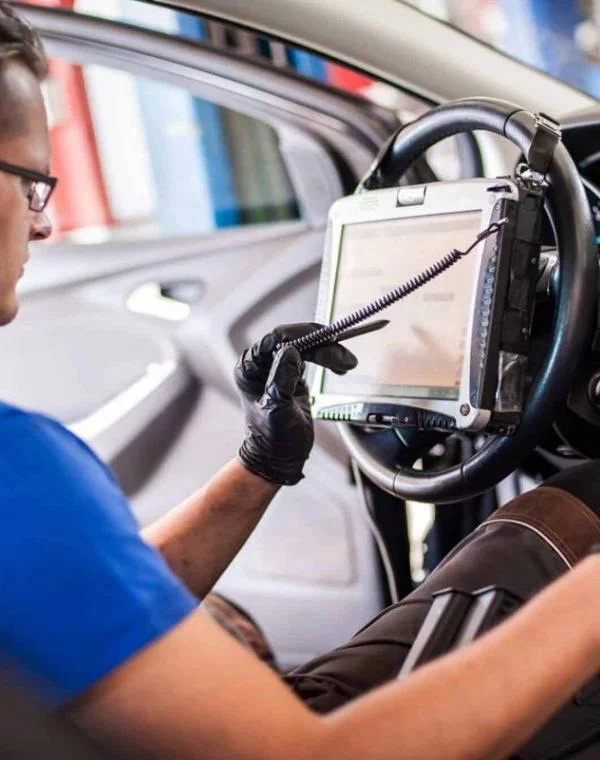
Some vehicles have a forward-facing camera associated with the windshield. Windshield replacement or other work may require camera calibration under the vehicle manufacturer’s procedures. Call (619) 710-6128 with your year, make, model and camera features to confirm the requirements, service availability and quote for your vehicle.
Advanced Driver Assistance Systems (ADAS) may use cameras and other sensors to support features such as lane-keeping assistance, automatic emergency braking and adaptive cruise control. Equipment and procedures vary by vehicle.
For vehicles with a windshield-mounted camera, follow the manufacturer’s instructions after windshield replacement. Calibration requirements cannot be decided from model year alone or the absence of a warning light.
For example, the 2023 Honda Pilot owner’s manual instructs owners to have the front camera recalibrated after windshield replacement. This example does not establish the procedure for every vehicle.
Before booking, ask which manufacturer procedure applies to your vehicle, whether the required service is available, where it will be performed and what documentation will be provided.
Static and dynamic calibration
Static: a stationary procedure using specified targets and setup conditions.
Dynamic: a procedure involving a drive under specified conditions.
Both: some vehicles require a combination. The applicable manufacturer procedure determines the required method.
Installation, calibration and adhesive drive-away requirements are separate parts of planning the visit. Ask for a vehicle-specific time estimate.
Confirm Calibration Availability for Your Vehicle
Tell us your vehicle’s year, make and model, whether the windshield has already been replaced, and any camera or sensor features. We will discuss the required work and confirm availability before booking.
Ask whether calibration is included in your windshield quote or priced separately, and whether any additional appointment or service provider is required. Do not assume the same equipment or process applies to every model.
Don't Take Our Word For It: See Our 5-Star Service
Posted on Google
Daisy Almodovar
Trustindex verifies that the original source of the review is Google.
Great and fast service. Mike and staff are friendly and professional. The business has a great waiting area with drinks and snacks while you wait.
Posted on Google
Bruce Gonzalez
Trustindex verifies that the original source of the review is Google.
Exceptional work. Good vibe, Mike gave me a great deal. Same day service.The work was on point will definitely be bringing back future vehicles.
Posted on Google
Antonio Marasco
Trustindex verifies that the original source of the review is Google.
Awesome service. Exceptional prices. Would recommend
Posted on Google
Idooutdoorsythings
Trustindex verifies that the original source of the review is Google.
Fast service, Mike was super friendly. Lighting is super cool. And it was done professionally and fast
Posted on Google
13guev
Trustindex verifies that the original source of the review is Google.
Guys friendly amazing shop…amazing customer service…great prices .. I definitely recommend this place!
Posted on Google
Sariah Rarick
Trustindex verifies that the original source of the review is Google.
Amazing place so friendly!!
Posted on Google
Phillip Strom
Trustindex verifies that the original source of the review is Google.
Amazing service! Good price! Great people!
Posted on Google
Scott Guthrie
Trustindex verifies that the original source of the review is Google.
Fast rapid service!!! Fair price
Posted on Google
MonVi Elhabashy
Trustindex verifies that the original source of the review is Google.
Mike is a very nice guy. He got me in and out within an hour. They did a good job. Now I am protected from the ray of the harmful sun. I recommend them because they are very professional and they did a very good job.
Posted on Google
CosmicNoodles
Trustindex verifies that the original source of the review is Google.
excellent fast service and guy was really nice
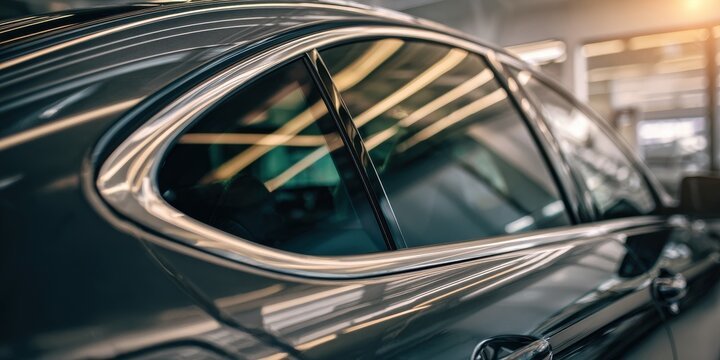
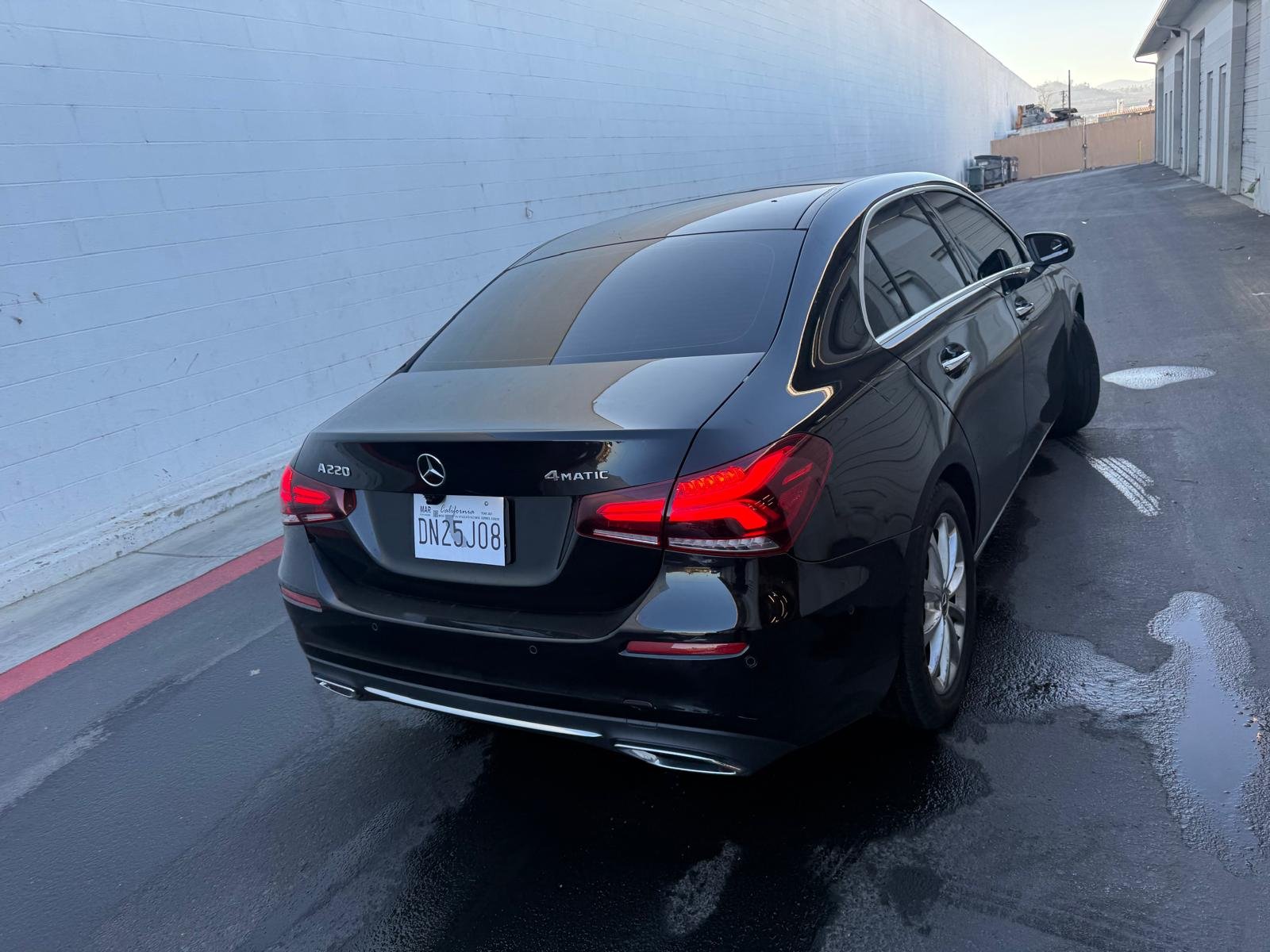
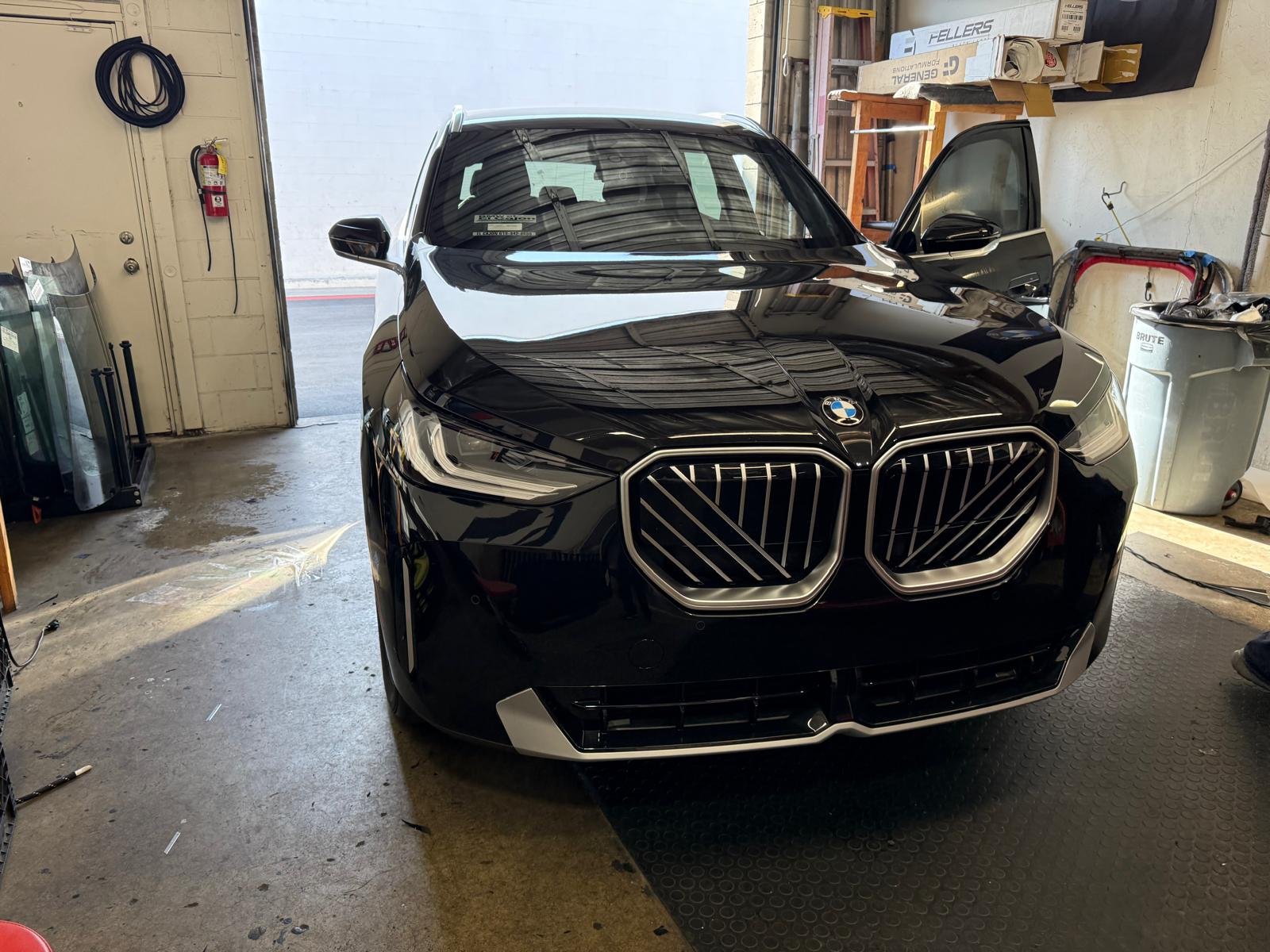
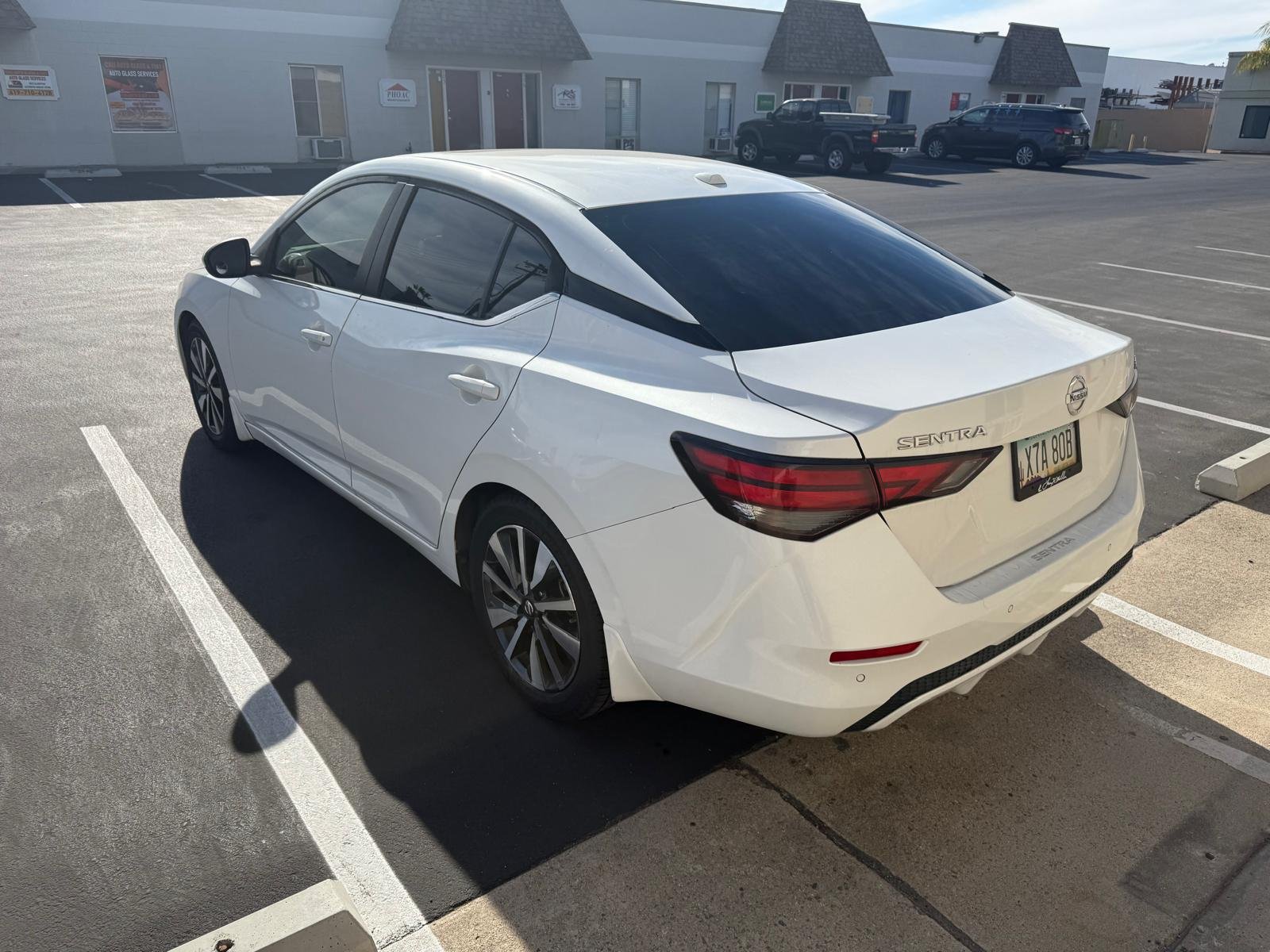
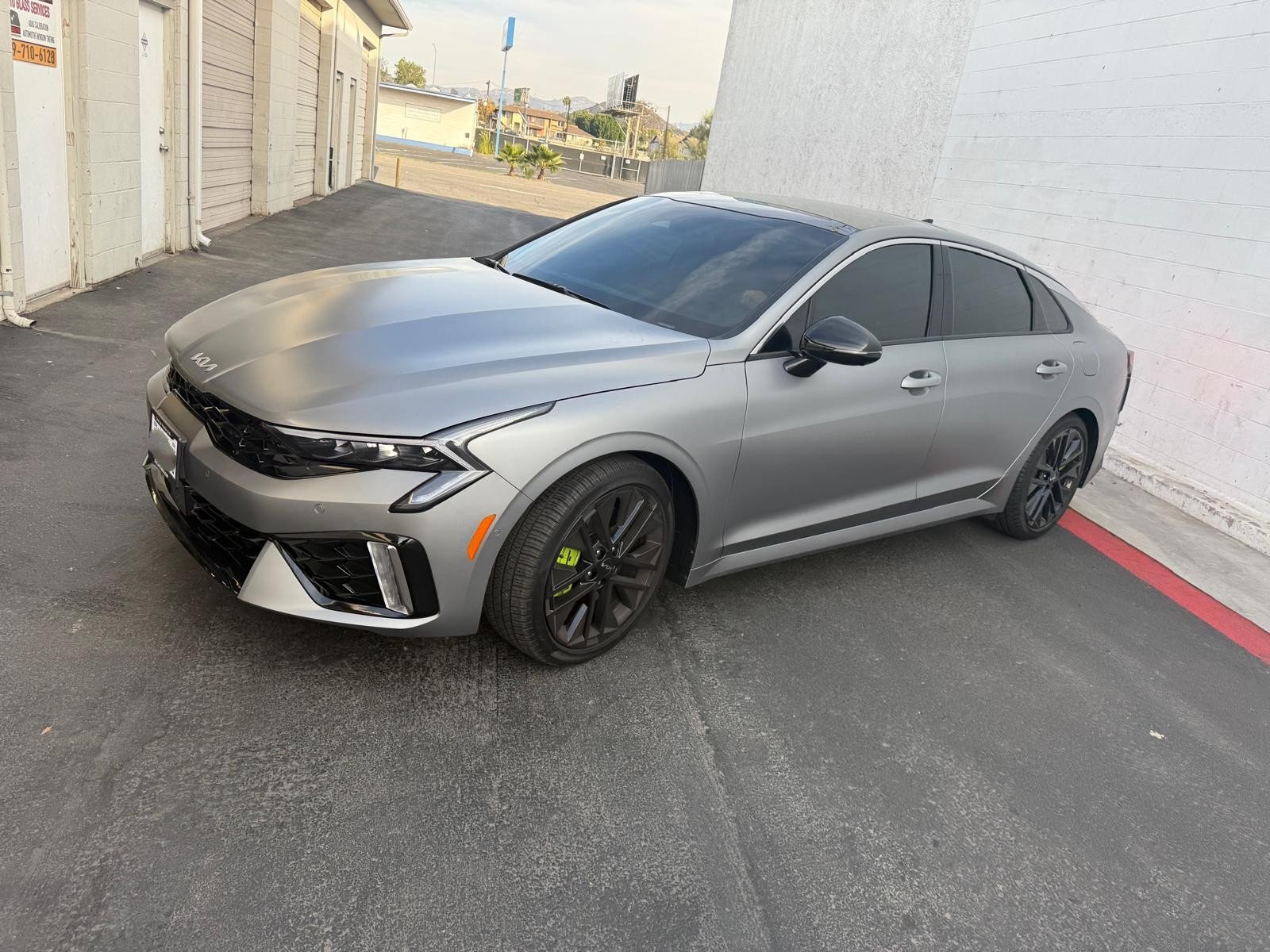
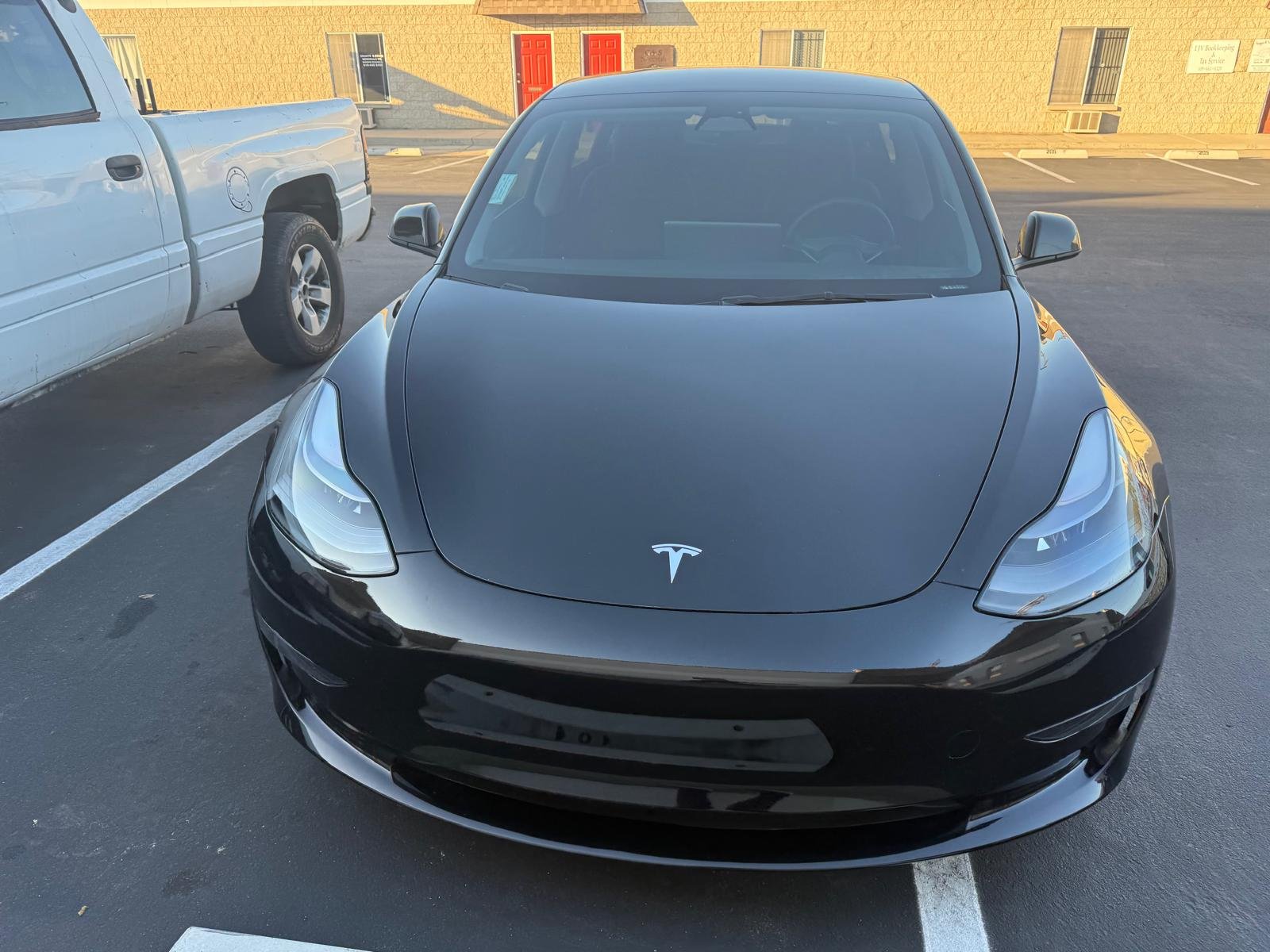
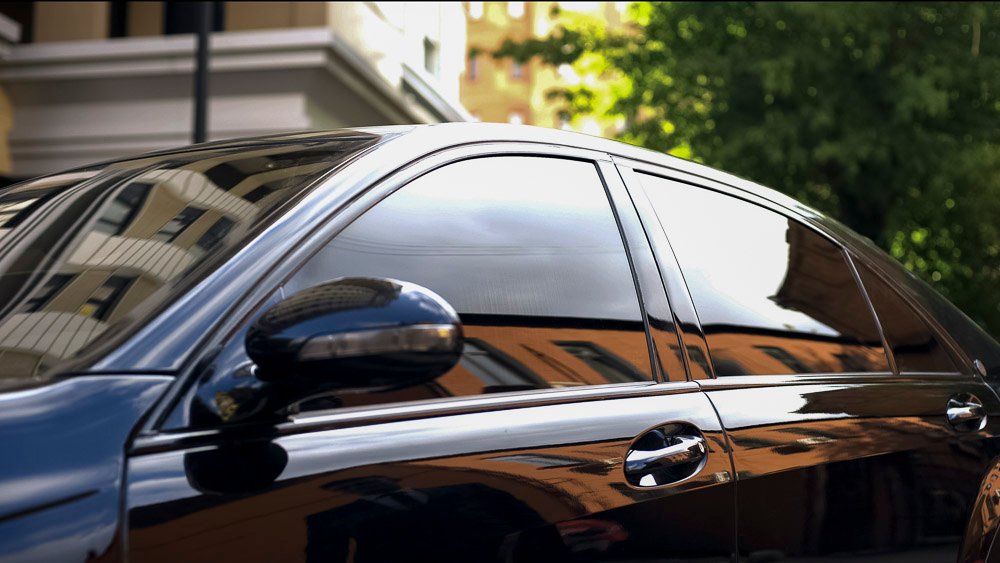
a car with full window tint at tint shop in el cajon
get same day ceramic window tint in El Cajon at Cali Auto Glass and window tint service
Elevate your Mercedes-Benz with expert window tinting from Cali Glass N Tint! Our high-quality film enhances privacy, reduces heat, and adds a touch of sophistication. Contact us today for a free quote!
Don't Compromise Your Family's Safety
Call (619) 710-6128 to discuss the vehicle, windshield work and any manufacturer-required calibration. Confirm the scope, price, appointment arrangements and completion documentation before authorizing the work.
Is calibration required if there is no warning light?
A warning light alone does not determine the requirement. Follow the manufacturer’s procedures for the specific vehicle and work performed. Ask which procedure applies and request documentation of any required calibration.
Will auto insurance cover calibration?
Coverage depends on your policy, deductible, claim approval and the work required. Ask your insurer to confirm coverage and ask the shop whether calibration is included in the quote. Coverage or direct billing is not guaranteed.
How long does calibration take?
Timing depends on the vehicle, required method, setup and operating conditions, and any faults that need attention. Ask for an estimate for your vehicle, including windshield installation and adhesive drive-away time where applicable.